
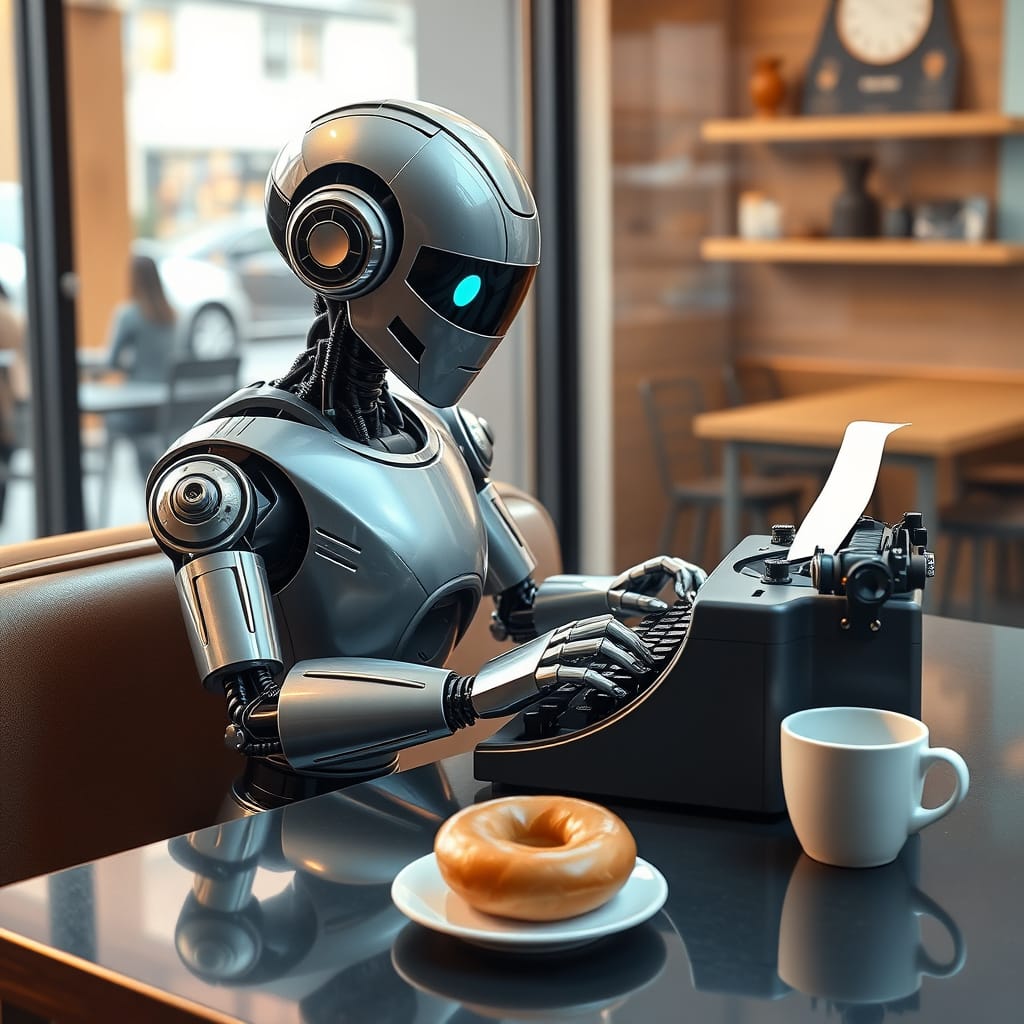
Artificial Intelligence (AI) has transitioned from a futuristic concept to a practical tool in the writer's arsenal. From generating ideas to drafting entire chapters, AI tools like ChatGPT are reshaping the writing landscape as we know it. However, with these advancements, critical questions about creativity, authenticity, and ethics arise. How can writers harness the power of AI without compromising their unique voice?
Understanding Amazon's AI Content Policy
Amazon's Kindle Direct Publishing (KDP) platform has established clear guidelines regarding AI-generated content:
- AI-Generated Content: This includes text, images, or translations created entirely by AI tools. Even if you make substantial edits afterward, if the original content was AI-generated, it must be disclosed during the publishing process.
- AI-Assisted Content: If you created the content yourself and used AI tools for tasks like editing, refining, or brainstorming, it is considered AI-assisted.
Once you publish your book, there are choices about what you used and which AI tools. It's important to note that Amazon does not currently label AI-generated books publicly. However, in time, they might start to implement such measures in the future to ensure transparency for readers.
The Ethical Considerations of AI in Writing
While AI offers numerous benefits, its use in writing raises several ethical concerns:
- Authenticity: Relying heavily on AI can lead to content that lacks personal voice and originality. Some pieces may seem generic and can cause your readers to stop turning the page.
- Plagiarism: AI tools are trained on vast datasets, some of which may include copyrighted material. Using AI-generated content without proper attribution can inadvertently lead to plagiarism.
- Misinformation: AI-generated content, especially in specialized fields like healthcare, can sometimes be inaccurate or misleading. Fact checking is needed, just like any other writer needs to confirm what they wrote makes sense and adds value.
Protecting Your Authentic Voice
AI can never replicate the unique perspective, experiences, and emotions that you bring to your writing. To maintain your authentic voice, I suggest to:
- Use AI as a Tool, Not a Crutch: Employ AI for tasks like brainstorming, outlining, or editing, but ensure the core content reflects your personal insights and creativity.
- Maintain Creative Control: Even when using AI, make deliberate choices about the direction and tone of your content.
- Regularly Review and Revise: Always read through AI-generated content to ensure it aligns with your style and the message you want to get across.
The Future of Writing with AI
The integration of AI in writing is not a passing trend but a significant shift in the creative process. Looking ahead there may be more:
- Enhanced Collaboration: Writers will increasingly collaborate with AI to enhance their productivity and creativity. AI can assist in world building and character evolution. It can be used to help keep track of the progress of different projects and marketing.
- Ethical Standards: Most likely, the writing community will develop and adhere to ethical guidelines regarding the use of AI to ensure authenticity and originality.
- Reader Awareness: Readers will become more discerning, seeking transparency about the origins of the content they consume.
AI is a powerful tool that, when used responsibly, can enhance the writing process. By understanding and adhering to platforms' policies, maintaining ethical standards, and preserving your unique voice, you can navigate the evolving landscape of writing with AI to fit your unique style.